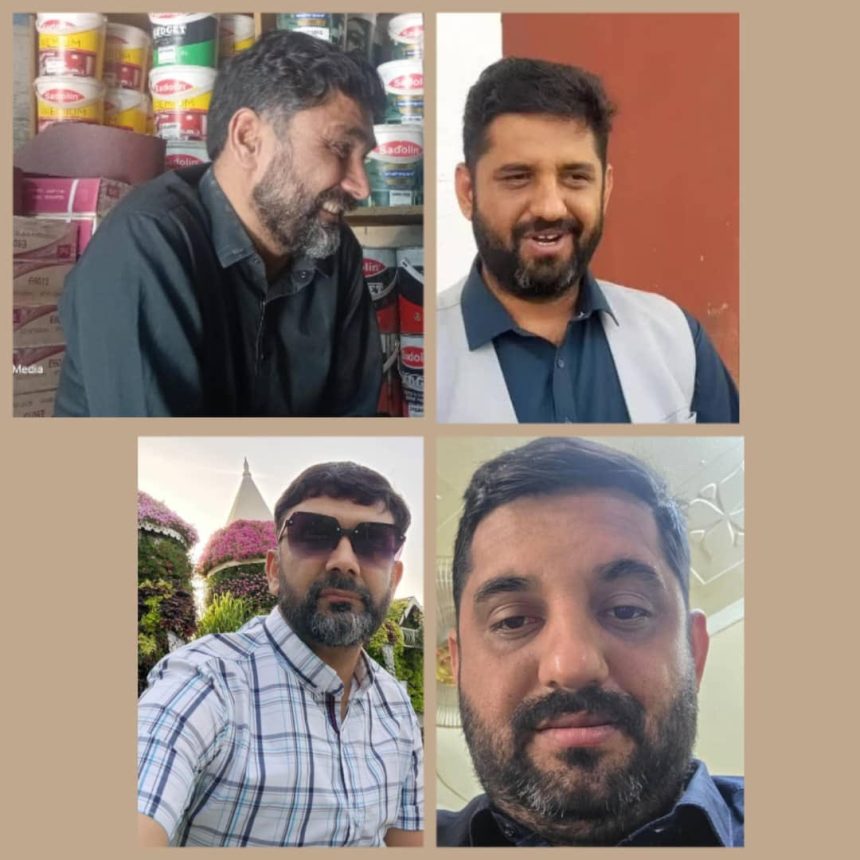
Lira, Uganda — Tensions are mounting within the Pakistani Community Association in Lira City, Uganda, as a bitter leadership dispute unfolds between two rival factions, threatening to fracture the small but active expatriate community.
At the center of the conflict are two prominent leaders: Mohamed Ateeq Nawaz, who claims to still be the legitimate president of the pakistani community association Lira , and Muhammad Islam Khan, who asserts that Ateeq resigned in early December 2025 and has since been replaced through internal consultations and interventions.
The crisis escalated on Monday 16th March, 2026, when both leaders held separate media briefings in Lira City, each presenting conflicting narratives over who holds rightful authority over the association — an organization that serves roughly between 90 and 130 Pakistani nationals residing in the city of Lira.
A Contested Resignation:
Muhammad Islam Khan claims that Mohamed Ateeq Nawaz officially stepped down from his position as president on 4th December 2025, via a WhatsApp message sent to their private community forum. According to Khan, Ateeq cited personal reasons and plans to travel to Pakistan as grounds for his resignation.

“This was not done in secret,” Khan stated during his press address. “He informed us directly through the WhatsApp group. We accepted his resignation, and proper succession was made. He is no longer in office but a former president of the association.”
However, Ateeq Nawaz has strongly denied the claim, calling it “fabricated and misleading.” During his own media engagement on Monday , he dismissed the WhatsApp message as insufficient proof of resignation, emphasizing that formal documentation bearing his handwritten signature was never submitted in any headed paper anywhere with legitimate logo of the association.

“If I had resigned, there would be an official letter on association headed paper, signed and witnessed,” Ateeq argued, holding up a sample of his signature for journalists. “A WhatsApp message does not constitute a resignation. That message was about travel plans, not stepping down.”
Clash Over Leadership Legitimacy:
Ateeq accused Khan of orchestrating a “self-made” leadership takeover, dubbing his appointment of a new president as illegitimate. “This is not a family inheritance or a kingdom where one person appoints another without consultation,” Ateeq said. “Khan has no mandate. He declared himself vice president without any election, it’s a forgery of our democratic process because no election was conducted.”
He also criticized the method used to appoint Muhammad Nasir, the so-called “new president,” who Khan says is currently abroad. “How can we have a president who has less than 30.members? Who elected him? Where is the vote? These people are selecting leaders from their own warehouses and shops this is not democracy.”
In response, Khan maintained that Ateeq was initially nominated eight years ago by just four individuals and had served long enough without holding formal elections. “We are not defying tradition, but we must move toward reality,” Khan said. “The Kampala-based leadership of the Pakistan Association, led by Sheikh Rashid, supports our transition.”
Autonomy vs. Central Oversight:
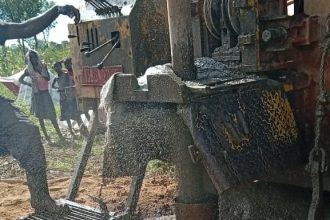
A key point of contention is the role of the Kampala Pakistan Association leadership while Khan insists that decisions must align with the central body, Ateeq argues that the Lira chapter should have autonomy, especially since its members contribute directly to local community projects and charity efforts inclusing boreholes repair donation at babies home and helping the local community in Lango and other areas like Lamwo District .
“The people in Kampala are not here on the ground,” Ateeq said. “They don’t see how we help the poor, support students, PWDs or help new arrivals in legal battles. Our leadership should come from those who are actively serving here in Lira not Kampala.” Ateeq asserted.
He announced plans to hold democratic elections in late June 2026, vowing that the process will be transparent and inclusive involving independent actors from within Lira city l. “We don’t want people choosing leaders based on blood ties or business interests,” Ateeq added. “It’s time for a fair election — one that reflects the will of all members.”
Community at a Crossroads:
With both sides digging in, fears are growing that the internal rift could weaken the cohesion of the Pakistani community in Lira, which has long prided itself on unity and charitable work.
As the June election deadline approaches, all eyes will be on Lira City Pakistani community association to see whether the association can resolve its leadership crisis amicably or risk splintering into competing factions and unwanted division.
For now, the struggle for legitimacy continues, not just in meeting rooms and WhatsApp groups, but in the court of public opinion since both side have consulted their lawyers on way forward.