For many young Ugandans, education is no longer seen as just a pathway to passing examinations. It is increasingly becoming a gateway to leadership, opportunity, and national transformation.
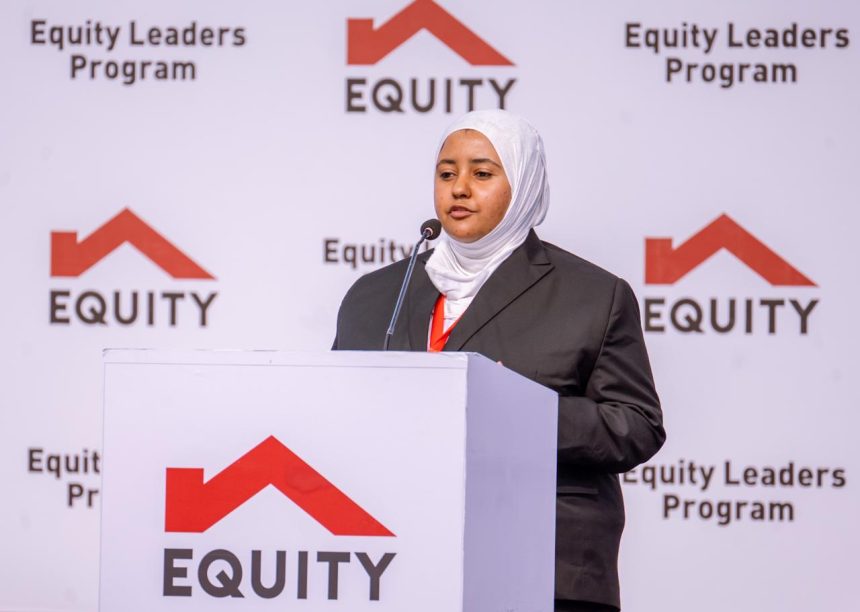
This growing reality is reflected in the inspiring journey of Fatmah Yusuf Gram, a young scholar from Fort Portal, whose life and ambitions have been transformed through the Equity Leaders Program (ELP) under the Equity Group Foundation.
Fatmah represents a rising generation of ambitious Ugandan youth whose futures are being reshaped through mentorship, leadership training, and exposure to professional environments once considered out of reach for many students.
Before joining the program, Fatmah admits her understanding of banking and leadership was limited.
“I thought banking was simply about loans, money transfers, and keeping money safe,” she recalls. “But through this program, I discovered that Equity is much more than a bank.”

That discovery became a turning point in her life.
Through the Equity Leaders Program, students are introduced to structured mentorship, leadership development, and practical experiences aimed at transforming how they think about their future and their role in society.

Scholars are given opportunities to interact with senior professionals from departments such as finance, operations, human resources, risk management, and strategy. For many participants, it is their first real encounter with the corporate world and an eye-opening experience that changes how they view leadership.
Rather than seeing leadership as a matter of titles and power, students begin to understand it as a responsibility rooted in service, discipline, teamwork, and vision.
One of the most powerful moments for many scholars came during an address by Gift Shoko, who urged participants not to let their backgrounds determine their destiny.
“Do not allow the circumstances around you to define who you are,” he told the students, words that deeply resonated with many young scholars striving to overcome social and economic barriers.
Uganda has one of the youngest populations in the world, filled with talent and ambition. However, many young people continue to face challenges such as limited mentorship opportunities, weak professional networks, and lack of career guidance.
Programs like ELP are helping bridge that gap.
Another impactful message came from Tony Otoa, who encouraged scholars to reject societal labels and define themselves independently.
“They think they know you,” he told participants, reinforcing the importance of self-awareness, discipline, confidence, and intentional growth.
Beyond rewarding academic excellence, the Equity Leaders Program is increasingly becoming a platform for mindset transformation.
Many students join the initiative with outstanding grades but little exposure to leadership and professional environments. They leave with renewed confidence, clearer career goals, and a stronger sense of purpose.
For Fatmah, success is no longer measured only by personal achievement.
The program has helped her understand that true success lies in creating impact and uplifting others.
The initiative is also playing a major role in empowering young women by encouraging greater female participation in leadership development. This deliberate focus on inclusion is helping nurture more confident and capable young women prepared to take on leadership roles across different sectors.
Across Uganda, thousands of high-performing students have already benefited from the program, creating a growing network of scholars equipped with the skills, mindset, and confidence needed to drive change in their communities.
The Equity Leaders Program continues to demonstrate that investing in young people creates ripple effects far beyond the classroom.
It is not only producing academically successful students, but nurturing a generation of leaders committed to service, innovation, and national transformation.
As Uganda looks toward long-term growth and development, initiatives that combine education, mentorship, and leadership training are proving essential in preparing the country’s next generation of changemakers.
For scholars like Fatmah Yusuf Gram, the journey is no longer simply about passing exams.
It is about preparing to lead, inspire, and shape the future of Uganda.