
By Raphael Nyarkotey Obu
On a long Emirates flight from Dubai to Accra, suspended somewhere between global privilege and African persistence, I encountered a song that quietly mirrored my life’s journey. It was Burna Boy’s Common Person. I did not expect it to follow me beyond that flight—but it did.
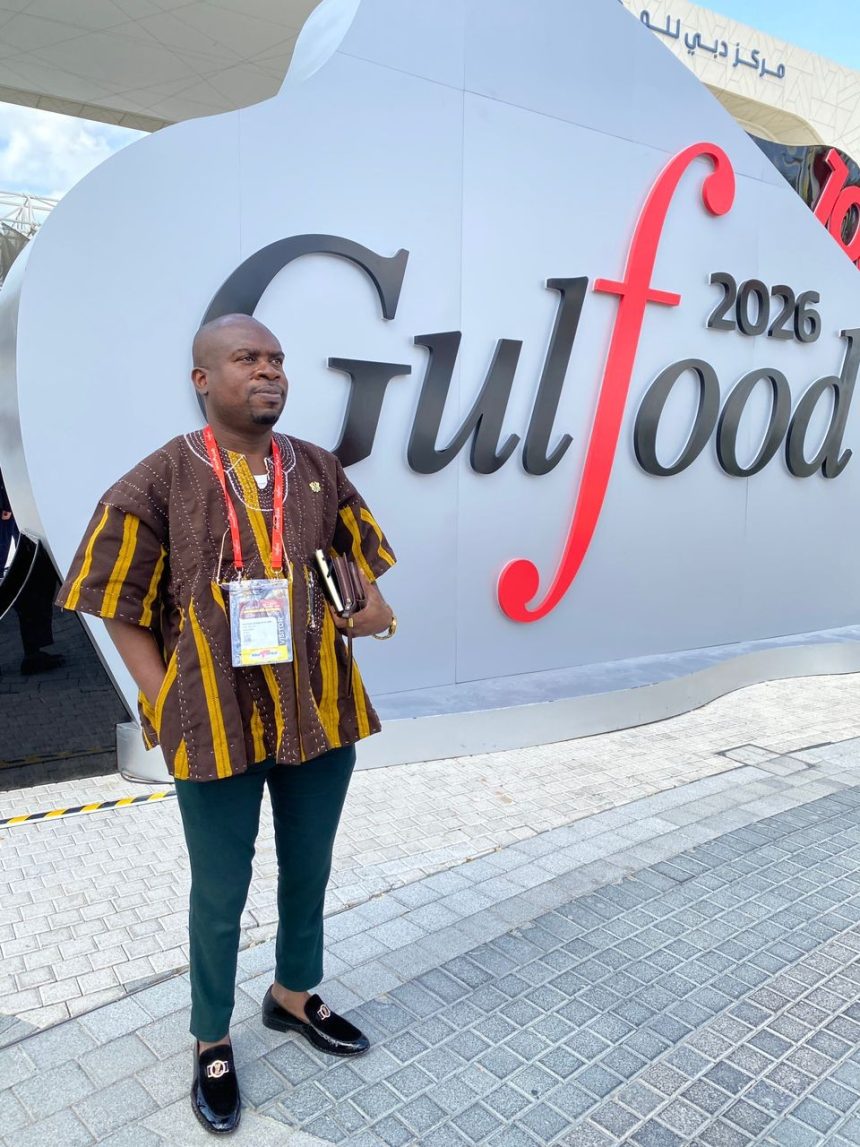
I was returning from the Gulfood International Exhibition, held from 20th to 31st January 2026, one of the world’s largest platforms for food systems, agribusiness innovation, and government-backed trade models. Dubai represented order, clarity, and institutional confidence. Accra, by contrast, represents struggle, resistance, creativity, and survival within systems that often mistrust what they did not design.
As I listened, it became clear to me that Common Person speaks directly to the lived experience of naturopathy and indigenous medical systems in Ghana and across Africa.

The cost of asking questions in Ghana
In Ghana, seeking interpretation of the law as a naturopath is often treated as rebellion. For merely demanding clarity, fairness, and developmental thinking, I have been demeaned by regulatory bodies. At one point, efforts to advance naturopathy were so badly misconstrued that I was reported to national security—treated as though advocating for indigenous health systems was a criminal enterprise.

Educational regulatory bodies, instead of engaging constructively, treated institutions seeking to upgrade indigenous healers as suspect, illegitimate, or dangerous. The irony is painful: the very work meant to professionalise, standardise, and protect the public is often the work most resisted.
Yet beyond Ghana’s borders, international bodies recognise, invite, and respect these same efforts. Globally, naturopathy and complementary medicine are advancing within structured regulatory frameworks. Locally, they are questioned for daring to exist.
This contradiction is not accidental. It is systemic.
Laughter, labels, and resilience
Even among friends and peers, the journey has not been gentle. Despite being a trained lawyer, called to the Gambia Bar, I have been demeaned, laughed at, and casually labelled “Mallam”—not as respect, but as ridicule. It is the subtle violence of social dismissal: reducing intellectual labour and reformist vision to caricature.
But survival itself is a form of resistance.
We survived regulatory hostility.
We survived social ridicule.
We survived institutional silence.
And we continued.
The philosophy of the “common person”
Being a common person does not mean lacking vision. It means staying grounded.
Naturopathy in Africa was never designed for elites alone. It exists for the farmer, the trader, the elderly, and the underserved. It is rooted in soil, food, herbs, culture, belief, prevention, and dignity. It is public health at its most basic—and at its most powerful.
Everyone has a role.
Every system has a place.
No profession is superior by default.
Do not tell me yours is better than mine simply because it arrived earlier or carries more institutional power.
Why systems fight what they do not understand
Systems are designed to protect themselves. History shows that institutions often resist what they did not create, especially when it threatens established hierarchies. Naturopathy challenges biomedical dominance not through confrontation, but by offering alternatives—prevention, lifestyle medicine, and culturally grounded care.
This is why resistance is fierce.
But I understand systems. I understand cartels. I understand institutional design. And I understand that law and development are the pathways through which new systems gain legitimacy. Nothing evolves without legal frameworks, policy reform, and patient advocacy.
That is why this work continues—not in anger, but in strategy.
What the UAE gets right: plural systems, not rigid monopolies
One of the clearest lessons from the United Arab Emirates is its comfort with plural systems—in healthcare and in law.
In healthcare, Traditional, Complementary, and Alternative Medicine (TCAM) is formally recognised and regulated by authorities such as the Ministry of Health and Prevention and the Dubai Health Authority. TCAM practitioners are licensed, examined, and scoped. Distance and purely online qualifications are not accepted for clinical practice. Even medical doctors must follow regulatory protocols before practising TCAM. Emirati nationals may receive exemptions from certain examinations, but not from regulation itself.
This is not hostility toward traditional medicine. It is respect—expressed through structure.
The same philosophy applies to the UAE legal system.
The UAE’s dual legal system: a lesson for Africa
The UAE operates a dual legal system, blending civil law, Islamic law, and—in designated jurisdictions such as the Dubai International Financial Centre (DIFC) and Abu Dhabi Global Market (ADGM)—common law principles.
Crucially, the UAE does not fear legal diversity. It embraces it.
Qualified common law lawyers from jurisdictions such as Ghana, The Gambia, the UK, and other Commonwealth countries are permitted to practise, particularly within the DIFC and ADGM frameworks, subject to registration and regulatory compliance. Foreign lawyers are not treated as threats to the system, but as contributors to its sophistication and global competitiveness.
The message is clear: a confident system does not collapse under plurality—it grows stronger.
From Dodowa to continental conversations
I am a common person from Dodowa, challenging entrenched systems in Ghana and across Africa—not for personal glory, but for generational impact. For the development of naturopathy. For the dignity of indigenous knowledge. For Africans to stop apologising for what has always healed them.
My happiness remains my own.
My purpose is clear.
My lane is defined.
Lessons from the Gulfood Expo: why systems matter
At the Gulfood International Exhibition, where I represented REAP FARMS LIMITED from 26th to 30th January 2026, I saw what well-designed systems can achieve. The exhibition spanned two major venues and hosted multinational agribusiness firms, exporters, government agencies, and development partners.
Government presence was unmistakable. Many exhibitors operated under national pavilions, supported through export branding, quality certification, subsidies, and market access facilitation. Packaging, labelling, and branding were world-class. Products were presented as traceable, export-ready, and quality-certified.
In the global rice market, India and Vietnam dominated, particularly in the premium basmati segment. Quality assurance and regulatory compliance were treated as minimum requirements—not optional extras.
The lesson was unmistakable: systems work when policy, regulation, and development move together.
A quiet manifesto
Without shouting, Common Person captures a philosophy African naturopathy already lives by:
- Serve people before systems
- Value humility over hierarchy
- Accept resistance as proof of relevance
- Build standards, not noise
- Persist, even when misunderstood
The UAE did not arrive at its success by accident. It built intentional systems and embraced plurality. Africa must do the same without abandoning its identity.
Sometimes, change does not come from the powerful.
It comes from the common person who refuses to disappear.
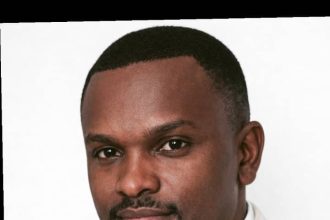
The author is a naturopath and Gambian-trained lawyer who has faced institutional resistance for championing evidence-based naturopathy and challenging entrenched health systems in Africa.