Many Bamasaaba mistakenly believe that the Inzu Ya Masaaba Constitution created the institution of the Umukuuka in Bugisu. In my view, this is a misunderstanding of Uganda’s constitutional and legal framework governing traditional and cultural institutions.
A community may have its own customs, policies or constitution that guide how a cultural leader is identified or selected. However, such community instruments cannot be said to have created the office of the Umukuuka or the cultural institution itself. The legal recognition of traditional and cultural leaders in Uganda is derived from the Constitution of Uganda and the relevant Acts of Parliament.
In other words, while the Inzu Ya Masaaba Constitution provides procedures for selecting the Umukuuka, it does not create the institution. The institution exists because it is recognized under the laws of Uganda. The customs and constitution of the community merely regulate the process through which a cultural leader is chosen.
About 60 years ago, the government of President Milton Obote initiated the abolition of traditional and cultural institutions in Uganda. Parliament enacted laws that effectively brought the reign of kings and cultural leaders to an end, with compensation paid to those affected.
Following the restoration of traditional and cultural institutions under the current constitutional order, Article 246 of the Constitution of Uganda provided for the recognition of traditional and cultural leaders, while subsequent legislation, including the Institution of Traditional or Cultural Leaders Act, 2011, gave effect to that constitutional provision.

It is therefore a settled principle of constitutional law that traditional and cultural leaders in Uganda are creatures of the Constitution and Acts of Parliament. In Bugisu, this legal reality needs to be better understood if the institution of the Umukuuka is to be fully appreciated.
There are legitimate concerns that the current law primarily recognizes an individual cultural leader rather than establishing a comprehensive institutional structure. That, however, is a matter for Parliament to address in future legislative reforms, as laws continue to evolve.

Unfortunately, Bugisu has witnessed persistent disputes over cultural leadership, with many individuals aspiring to become Umukuuka. In my opinion, many of these disputes arise from a failure to appreciate the legal foundation upon which the institution rests.
If communities alone had the legal authority to establish traditional institutions through their own constitutions, it would have been extremely difficult for the government to abolish such institutions in the 1960s or restore them later through constitutional and statutory reforms.
The Inzu Ya Masaaba Constitution, by itself, cannot create or restore cultural leadership. Government recognition through the constitutional and legal framework remains essential. The gazettement of a cultural leader is also part of the regulatory process through which the State formally recognizes the institution.
The current leadership of Inzu Ya Masaaba emerged through the Inzu Ya Masaaba Constitution. However, following disagreements, particularly concerning delegates, the Attorney General provided guidance, and the courts directed the parties to rely on the provisions of the Institution of Traditional or Cultural Leaders Act. Mediation was subsequently conducted under the relevant provisions of the law, leading to a resolution of the leadership dispute. Although some individuals remained dissatisfied and petitioned the courts, the matter continues through the legal process.
Our community should always remember that it was the current constitutional order that restored traditional and cultural institutions in Uganda. It also provided opportunities for communities that previously had no recognized cultural institutions to establish them. Likewise, any emoluments or benefits paid to cultural leaders are provided for under Acts of Parliament, not community constitutions.
In Bugisu, had the first Umukuuka, His Highness Yonasani Mungoma Buyi, not been prevented by age and ill health, he would likely have resumed his leadership following the restoration of cultural institutions, just as the Adhola cultural leader in Budama resumed his role after restoration and continues to serve his community.
Today, various individuals—including unemployed graduates, retired officers and others—have joined efforts to challenge the leadership of Umukuuka Jude Mike Mudoma. However, before engaging in such contests, they should first ask themselves a fundamental legal question: Which laws in Uganda establish and recognize traditional and cultural leadership?
As long as I continue serving as the spokesperson of the Bamasaaba Cultural Institution, I will continue encouraging our people to understand the constitutional and legal framework that governs traditional institutions in Bugisu and throughout Uganda.
I also caution members of the public against individuals who move around Bugisu soliciting money from unsuspecting people with promises of making them cultural leaders. Such claims have no legal basis.
Just as Christians believe that prayers are offered through Jesus Christ, anyone aspiring to become Umukuuka must follow the legal framework established under Article 246 of the Constitution of Uganda and the Institution of Traditional or Cultural Leaders Act, 2011. There is no lawful alternative.
Finally, the people of Bugisu should reflect on the events surrounding the 1966 constitutional crisis, when traditional institutions across Uganda—including those in Buganda, Bunyoro, Toro, Ankole and Bugisu—were abolished, and equally appreciate the constitutional and legal reforms that later restored them.
While communities may determine the procedures for selecting their cultural leaders, those procedures alone cannot create or legally recognize a cultural institution. That authority rests with the Constitution of Uganda and the laws enacted by Parliament.
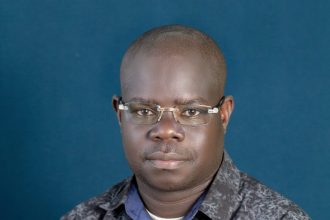
The writer is the Spokesperson of the Bamasaaba Cultural Institution.