
In a landmark move set to reshape the energy landscape of Southern and Central Africa, Fortune Energy Group has announced a massive $6 billion expansion of its fuel operations, targeting critical markets in Zambia, the Democratic Republic of Congo (DRC), and Malawi.
The ambitious initiative, structured as a joint venture with a UAE-based partner, aims to resolve long-standing infrastructure and logistics bottlenecks across one of the continent’s most resource-rich corridors. At the heart of the project is the modernization of fuel storage infrastructure and the construction of a strategic pipeline corridor from Dar es Salaam to Zambia, a development expected to drastically reduce reliance on road freight while cutting transit times and stabilizing fuel prices.
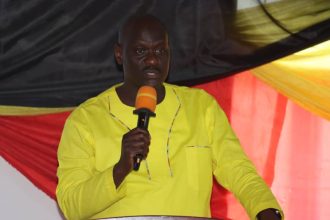
“This expansion is driven by the improving investment environment across the continent, coupled with strong economic growth and emerging opportunities in key sectors,” said Mike Mukula, Chairman of Fortune Energy Group. He noted that Africa’s rapid industrialization, urbanization, and infrastructure development are fueling an unprecedented demand for reliable energy solutions.
A central focus of the project is the copper mining belt spanning Zambia and the DRC’s Katanga region. As global demand for copper surges—fueled by the transition to renewable energy and electrification—ensuring a consistent fuel supply for mining operations has become a strategic priority. By enhancing logistics and storage capacity, Fortune Energy Group aims to support higher productivity levels within the sector, positioning itself as a dominant player in Africa’s downstream energy industry.
Beyond its industrial impact, the project is expected to generate substantial employment opportunities during both construction and operational phases. Local economies in Zambia, the DRC, and Malawi are poised to benefit from increased business activity, improved infrastructure, and enhanced energy security.
Industry analysts note that the success of the initiative hinges on effective regulatory coordination across borders and sustained political stability in the region. However, if executed as planned, the project could serve as a model for integrated energy infrastructure development across Africa, signaling a decisive step toward building resilient energy ecosystems capable of supporting the continent’s industrial ambitions.
© The Ankole Times. All rights reserved.
No part of this publication or its digital content may be reproduced,
distributed, published, broadcast, rewritten, or redistributed in whole
or in part without prior written permission from The Ankole Times.

For inquiries, contact: [email protected]
Stay informed and ahead of the curve! Follow The Ankole Times on WhatsApp for real-time updates, breaking news, and exclusive content.
Join The Ankole Times WhatsApp News Channel