Fresh cracks have emerged in the Shs68 billion Kanungu tea nursery compensation saga after beneficiaries accused lawyers and leaders of the nursery operators of denying deductions that they say were actually made from their payouts.
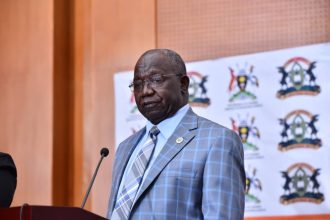
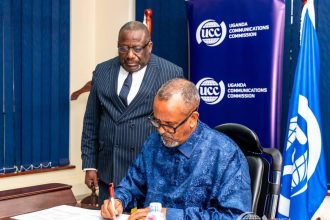
The dispute is laid out in a May 7, 2026 letter in which former Attorney General Kiryowa Kiwanuka briefed President Museveni on complaints raised by tea nursery operators in Kanungu District over compensation paid under a court settlement.
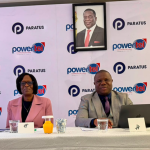
Kiwanuka said the matter arose from two cases filed by nursery bed operators against NAADS, the Attorney General and Kanungu District Local Government over tea seedlings supplied under the Tea Development Project. The claimants had sought about Shs157.17 billion, but government later settled the dispute through a consent judgment worth Shs69.27 billion. The dispute later involved Pathways Advocates, led by Kiconco Patrick Katabazi, which acted as the claimants’ legal representatives and received government payments into its client account as designated under the consent agreement.
According to the former Attorney General, government has already released Shs68.25 billion in instalments.
The letter states that under the consent judgment, all outstanding payments were to be deposited into an account designated by the claimants. The account provided to government was Pathways Advocates’ Client Account in NCBA Bank, Nakasero Branch, and Kiwanuka says all payments were made through that account on the claimants’ instructions.

But the controversy now centres on what happened after the money was released.
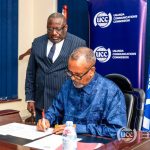
Kiwanuka said his office wrote to Pathways Advocates on April 20 after concerns were raised that some of the funds due to nursery operators were being withheld. He added that a meeting was later held on April 29 with representatives of the nursery operators and their lawyers.

At that meeting, according to the former Attorney General, both the legal representatives and the operators’ leadership denied allegations that 30 percent had been deducted from beneficiaries’ money. They also submitted a list of nursery operators said to have already received payment.
That position has, however, been challenged by complaints from beneficiaries in Kanungu, some of whom insist they were charged before receiving their money.
Some of the beneficiaries now claim the deductions went beyond the 30 percent figure that had initially been raised, with fresh allegations suggesting that more than 40 percent was taken in certain cases.
Background to the Kanungu tea compensation case
The dispute originates from proceedings before the Commercial Division of the High Court of Uganda in Civil Reference Appeal No. 0003 of 2023, involving the National Agricultural Advisory Services (NAADS) and the Attorney General as applicants.
The case was filed against several tea nursery bed operators, including Frank Byaruhanga, Dr. Francis Runumi, George Owakukiror, Tumwesimira Caleb Kipande, Arineitwe Sam Kajolo, Tumushabe Julius, Kanyamunyu Julius, and Rev. Byamugisha Bernard, among others.
The respondents had earlier sued government under HCCS No. 88 of 2018 (as referenced in the file) seeking compensation for tea seedlings that allegedly dried up in nursery beds, which they attributed to government failure under the Tea Development Project.
The matter was later escalated through appeal and negotiation processes involving NAADS and the Attorney General’s Office, eventually leading to a consent-based settlement that formed the basis of the Shs69.27 billion compensation framework currently under dispute.
The judgment and subsequent negotiations form the legal foundation of the ongoing controversy over how the compensation was calculated, verified, and ultimately distributed to beneficiaries.
The contradiction leaves a major gap between what was formally presented to the former Attorney General’s office in Kampala and what some beneficiaries on the ground say happened when the compensation was being distributed.
It also shifts scrutiny to the chain of payment after the funds left government hands and were deposited on the claimants’ designated account.
Kiwanuka says the matter has since been referred to the State House Anti-Corruption Unit together with the documents submitted by the claimants’ side, with further action expected to depend on the outcome of the investigations.
The inquiry is now expected to determine whether beneficiaries received the full amounts due to them, how much was deducted if any, and who authorized the charges now being disputed by those meant to benefit from the compensation.