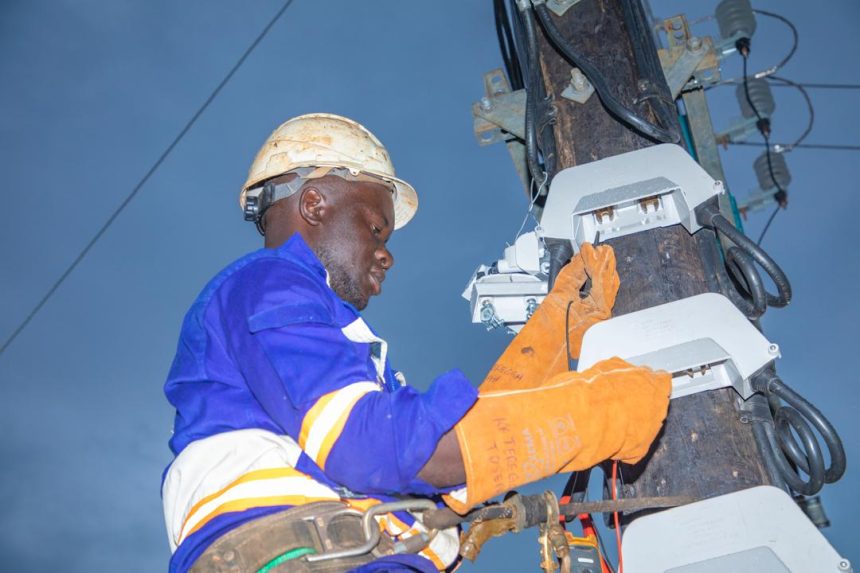
Members of Parliament have raised fresh concerns over the effectiveness of government spending on rural electrification, questioning whether billions of shillings allocated in recent years have translated into tangible results on the ground.
The concerns emerged during a session of the Committee on Environment and Natural Resources, where legislators scrutinised officials from the Ministry of Energy and Mineral Development over what they described as slow progress in extending electricity to rural communities.
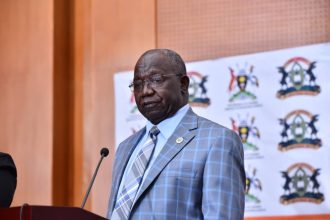
Lawmakers pointed to a growing disconnect between funding and service delivery, with several MPs demanding accountability for resources already approved by Parliament. Budget Committee Chairperson Patrick Isiagi questioned the utilisation of funds, including financing from the World Bank, expressing frustration over the apparent lack of visible impact.
“I wonder why everything has gone to sleep despite the World Bank funding,” Isiagi said. “What was the purpose of securing this loan without any progress?”
A number of legislators attributed the slow pace of rural electrification to structural changes in the sector, particularly the merger of the former Rural Electrification Agency into the energy ministry. They argued that the move weakened implementation capacity and called for the re-establishment of a dedicated agency to fast-track power distribution.

Buikwe South MP Dr Michael Lulume Bayigga questioned the value for money from over Shs300 billion previously allocated, noting that expected benefits such as job creation, agro-processing and rural industrialisation remain largely unrealised.
Other MPs raised broader concerns linked to infrastructure and development gaps in their constituencies. Mubende Woman MP Hope Grania Nakazibwe called for increased government support to communities affected by mining activities, citing the urgent need for electricity, roads, schools and clean water in areas such as Kassanda and Mubende.

Meanwhile, Otuke County MP Paul Omara blamed delays on weak supervision of power projects, while Pingire MP Fred Opolot questioned the contradiction between reports of excess electricity generation and persistent shortages in some parts of the country.
Koboko North MP Dr Musa Noah also criticised gaps in planning and coordination, pointing to stalled projects despite completed surveys, and the omission of key initiatives such as the Nexus Green project from official reports.
In addition, legislators raised environmental concerns, warning that forest reserves including Mabira, Ddimu, Kisisita and Nakizza remain under threat from encroachment, particularly for sugarcane growing.
In response, Committee Chairperson Herbert Ariko called for renewed focus on institutional capacity, urging Parliament to support the revival of a dedicated rural electrification agency to improve efficiency and accelerate access to electricity in underserved areas.
He also appealed for additional funding to address resettlement challenges along the Karuma transmission line and to strengthen environmental management amid increasing oil and mining activities.
The debate highlights mounting pressure on the government to demonstrate value for money and deliver on its promise of expanding electricity access as a driver of rural transformation and economic growth.