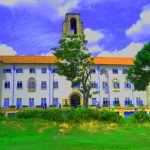
(Kampala) – Makerere University has launched an electric mobility skilling program aimed at equipping students with essential knowledge and skills in electric vehicle technology. The initiative, which was unveiled on October 22, 2024, is a collaboration between Makerere University Innovation Pod, Kiira Motors Corporation, and the United Nations Development Programme (UNDP) Uganda.
The launch event was attended by prominent figures including Prof. Tickodri Togboa, the Executive Chairman of Kiira Motors Corporation; Ms. Nwanne Vwede-Obahor, UNDP Uganda Resident Representative; and Prof. Buyinza Mukadasi, representing Makerere University’s Vice Chancellor. This program is tailored for Makerere University students who demonstrate academic excellence and a keen interest in innovation, focusing on the growing field of electric mobility.
One of the students selected for the program, Twinomujuni Mutunji, expressed his enthusiasm for the project, stating that it presents numerous opportunities, including job creation and contributing to global efforts towards green energy. “When I heard about this project, I realized it comes with so many opportunities,” he remarked.
The first cohort comprises 25 students from various disciplines, including Electrical, Biomedical, Software, and Mechanical Engineering, as well as Physics. Out of these, 12 are female and 13 are male. The selection process was competitive, targeting high-achieving students who excelled academically and performed well in interviews.
The program’s objectives include providing foundational knowledge in electric vehicle technology, renewable energy systems, battery technology, smart grid systems, and electric vehicle powertrains. It also emphasizes hands-on training and project-based learning, allowing students to apply their theoretical knowledge in practical settings.

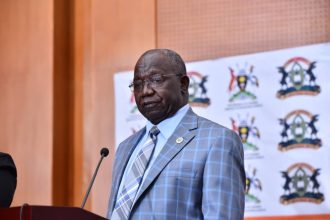
In his remarks during the launch, Prof. Buyinza Mukadasi highlighted Makerere University’s role as a pioneer in innovation, noting that the electric mobility skilling program represents a significant step toward Uganda’s green energy transition. He stated, “The skills and knowledge led to the formation of the Kiira Motors Corporation. Through the launch of this program, Makerere University is committing itself to championing electric mobility.”
Prof. Mukadasi further emphasized the need for skilled individuals who can facilitate the transition from fossil fuels to greener alternatives, particularly in light of the pollution caused by traditional modes of transport, such as motorcycles. He expressed confidence that this initiative would help reduce pollution rates in Uganda.

Dr. Peter Turyakira, representing the Makerere University Innovation Pod, described the timing of the program as critical, coinciding with Uganda’s broader shift toward electric mobility. “This program is intended to give young people the opportunity to develop skills, drive innovation in e-mobility, and influence the economic development of the country,” he stated.
Ms. Nwanne Vwede-Obahor praised the initiative for its potential to address youth unemployment and create green jobs. She encouraged the students to seize this opportunity and contribute meaningfully to the global green energy agenda, stating, “You are part of a nascent group… the opportunities are beyond Uganda and Africa.”
UNDP’s funding for the project aligns with Uganda’s development goals, particularly its commitment to transitioning to electric vehicles. Ms. Vwede-Obahor underscored the importance of this initiative in supporting Uganda’s aspirations for zero emissions by 2063.
Prof. Tickodri Togboa acknowledged Makerere University’s role in pioneering electric mobility in Uganda and commended the university for its vision and commitment to this transformative initiative. He expressed gratitude for the support received from the UNDP and highlighted the significance of the program in transforming the transport sector and addressing climate change.
The structure of the program includes seven modules covering various aspects of electric mobility. Engineer Fred Matovu from Kiira Motors Corporation outlined the curriculum, which encompasses both theoretical and practical components. Each module will conclude with assessments, and students will undertake a capstone project to showcase their knowledge and skills.
Matovu noted that the program not only provides theoretical knowledge but also facilitates hands-on experiences to ensure that students grasp the practical applications of electric vehicle technology. He stated, “We shall take these students to spaces to get a hands-on experience on the usage of some of the technologies.”
Students will also benefit from mentorship opportunities, helping them balance their academic pursuits with the skills they acquire in the electric mobility program. According to Engineer Matovu, successful participants will be positioned to contribute to research and development within the electric mobility industry and engage in internship programs at Kiira Motors Corporation.