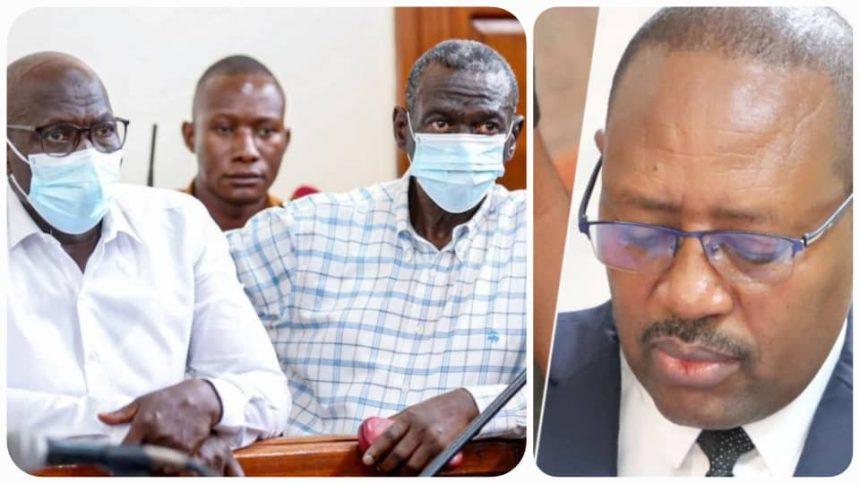
KAMPALA, Uganda – Former FDC presidential candidate and four-time presidential contender, Col. (Rtd) Dr. Kizza Besigye, has put Justice Emmanuel Baguma in a complex legal situation. Besigye has challenged the judge to determine his own course of action following conflicting decisions made in court a couple of days ago.
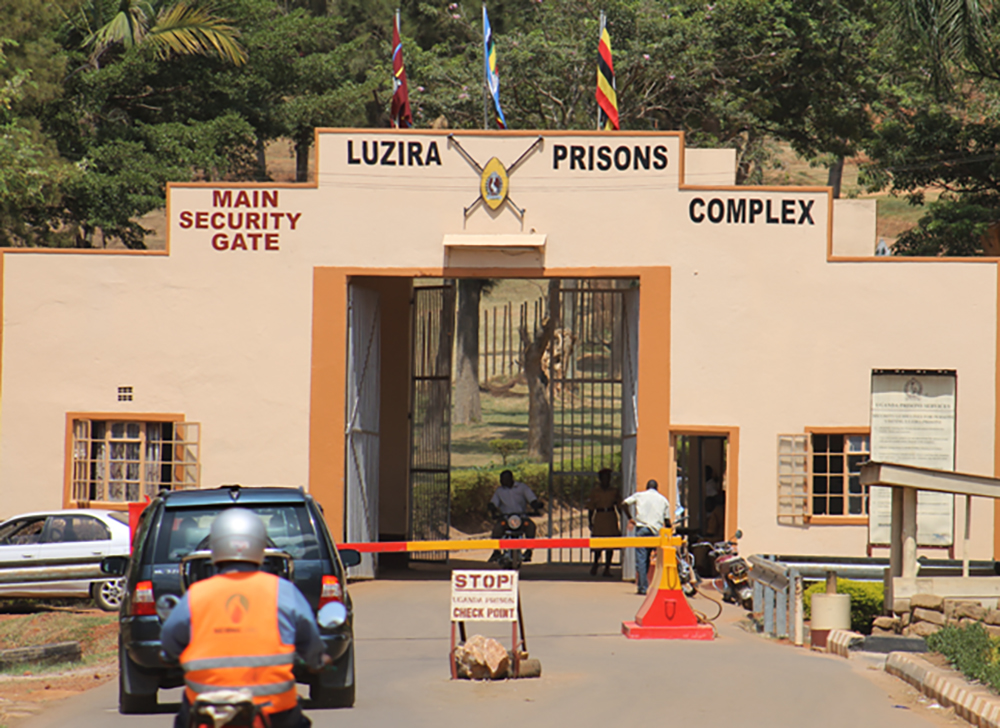
In a letter dated October 2, 2025, from Luzira Upper Prison, addressed to Justice Baguma regarding CS Case No. 335/2025, Besigye expressed his intention to raise concerns with his co-accused in court. However, he was declined by the judge, who instead requested him to submit written concerns by October 3 for a response on October 8.
Besigye finds it oppressive to raise issues only in open court and seeks legal provisions allowing written submissions while confined. He asks for guidance from Judge Baguma on how to proceed.
As the third accused in the case, Besigye stated that when he appeared before the court on October 1, 2025, with the other accused persons, he was initially denied the opportunity to address the court directly. The judge later allowed it on condition that he write down his concerns and file them in court.
Besigye has since asked Baguma to cite the law that bars an accused person from directly addressing the court about their concerns in the presence of their lawyers. “Being a person accused of a serious offense, I find it strange and oppressive if I cannot raise a concern directly in open court,” Besigye wrote. “If each time a written submission of the concern has to be made and time fixed for your response, the case may never be concluded. Meanwhile, I remain confined in prison.”

This development has left not only legal practitioners but also the public questioning how Judge Baguma will juggle his own decision. Senior lawyer Dan Wandera Ogalo questioned via his X handle: “Lawyers are always seated in court when a magistrate or judge asks the accused to state whether he/she is guilty (Section 124 of the Magistrates Courts Act and 61 of the Trial on Indictments Act). Why do judges insist that it is the accused persons to answer and not the lawyers?”
© The Ankole Times. All rights reserved.
No part of this publication or its digital content may be reproduced,
distributed, published, broadcast, rewritten, or redistributed in whole
or in part without prior written permission from The Ankole Times.

For inquiries, contact: [email protected]
Stay informed and ahead of the curve! Follow The Ankole Times on WhatsApp for real-time updates, breaking news, and exclusive content.
Join The Ankole Times WhatsApp News Channel