When the Leader of the National Unity Platform, Hon. Robert Kyagulanyi Ssentamu, visited the resting place of Uganda’s former President, Dr. Apollo Milton Obote, in Akokoro, Apac District, the nation should have paused in reflection. Instead, a storm of condemnation followed. From radio talk shows to social media threads, voices rose in outrage ;“How dare he pay tribute to Obote, the man who betrayed Buganda?”
That a simple act of remembrance could ignite such fury fifty-nine years after the 1966 Crisis tells us something deeper: Uganda is still imprisoned by its tribal ghosts. The past is not dead; it simply changes platforms.
The tragedy is that our collective memory of 1966 remains half-told and half-taught, passed on through wounded emotions rather than historical clarity. Buganda’s story of the Lubiri attack — the image of fire, exile, and humiliation; is one we all know. What we rarely hear, however, is the story of the events that made that dark moment inevitable.
For decades, the narrative paraded at Mengo and echoed in cultural circles has portrayed Dr. Obote as a power-hungry northerner who desecrated the Kabaka’s palace. But history, when examined honestly, is never that simple.
Declassified records, parliamentary archives, and personal accounts reveal a volatile political climate long before the first bullet was fired at Mengo. The dispute over the “lost counties,” the Gold Scandal, and a growing mistrust between the central government and the Kingdoms all played their part.

Most importantly, reliable reports indicate that Mengo had begun ordering firearms from Britain; an action that, under the 1962 Constitution, could be construed as preparation for insurrection. Meetings were reportedly taking place in Tooro and other areas, plotting what appeared to be a coup against the Obote government.
Had Obote not acted swiftly ;however brutal his methods proved — the story of May 1966 might have unfolded in reverse, with the central government overthrown and Uganda plunged into chaos from within.

Yet these nuances are rarely, if ever, told to the young Baganda. The tragedy of the Lubiri has been recited like a psalm of grievance, while the political machinations that led to it remain hidden behind royal curtains. This selective memory does not heal; it hardens hearts.
Every generation inherits the narratives of those who came before it. When those narratives are incomplete, they breed prejudice. Today, you will hear young Ugandans; many of whom were born decades after the crisis—speaking with startling bitterness about “northerners,” “Baganda,” or “Obote’s soldiers.”
But what they have not been told is that tribalism is a learned disease, transmitted through silence as much as speech.
When Buganda’s leaders respond to a simple gesture of peace ; like Kyagulanyi’s visit to Akokoro ; with suspicion and anger, they do not protect their heritage; they imprison it. The Kingdom that once stood as the beacon of civility risks becoming the custodian of historical resentment.
Uganda does not need more myths. We need archives opened, conversations started, and truth reclaimed. Buganda’s leadership has the moral authority to lead this process ; not as a retribution, but as reconciliation.
Let Mengo open its archives. Let the Katikkiro invite scholars, historians, and survivors to a public truth forum. Let the Kingdom that bore the pain of 1966 also bear the honor of unveiling its full story; the courage to admit mistakes on both sides.
This is not to exonerate Dr. Obote of the violence that ensued, but to restore historical honesty. The Lubiri attack was a national tragedy, but it was not born in a vacuum. If we are to move forward as one nation, then we must stop teaching history as a battle of tribes and start teaching it as a tapestry of truths.
To the youth of Buganda ; and indeed, of Uganda, I say this: the generation that forgets truth will forever be manipulated by those who fear it. You owe it to your future to question the stories handed down in anger, to ask why, and to seek facts where legends stand.
When Kyagulanyi visited Akokoro, he did not betray Buganda; he demonstrated what statesmanship looks like — reaching across the graves of our past to greet history with humility.
If only we could all learn to do the same, Uganda would finally begin to heal from the tribal scars that have kept her from her destiny.
It is time for Buganda, and indeed all cultural and political institutions, to teach the full story. Let us not continue parading the Libiri attack as a single act of villainy, but as a cautionary chapter in our shared national history ;one where pride, fear, and mistrust burned together.
History belongs not to the wounded, but to the wise.
And wisdom begins where blame ends.
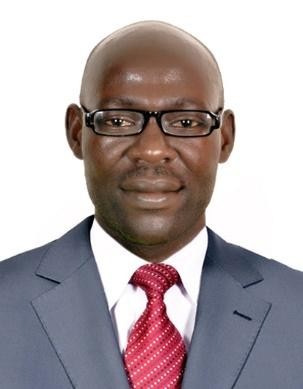
Moses Wawah Onapa is an educationist and a social commentator