It’s true that a lot of money has been sent to Karamoja by both the government and development agencies. However, this money has not met the expectations of many Ugandans because too much emphasis has been placed on English and technical language in the design and implementation of projects aimed at transforming the community.
President Museveni has always preached the gospel of a practical approach to wealth creation instead of involving too much English.
Honestly speaking, with the resources that have been pumped into Karamoja over the decades, the region should be far more developed by now. Unfortunately, much of this money has been tied up in complicated project designs with little practical involvement of the local communities in decision-making.
Ten years ago, the UN Food and Agriculture Organization mobilized former warriors and trained them as community animal health workers. Many of these people had never attended school, yet they are now the ones treating animals in various villages across the region.
This made me believe that although education is key to transformation, there is a way in which it is delaying change in Karamoja. To me, what can help Karamoja now is equipping the youth with skills that do not require too much English.

When you visit the newly commissioned clinker factory in Moroto, launched by President Museveni, you find that about 60 percent of the Karimojong youth working there—operating stone-crushing machines, loaders, and other equipment—have never gone to school. They learned on the job and are performing very well, yet they never attended the so-called three-year courses required to operate such machines.
My humble advice to development partners and the government is that projects intended to transform Karamoja should not be designed in Hotel Africana in Kampala or Moroto. Instead, they should be developed through the Ere approach—a community gathering where elders and youth choose the projects they want. Such projects are more likely to work for them.

When I visited the NUSAF III project in Kakomongole Sub-county, Nakapiripirit District, I found a project called “Omora A Kiyiar”, meaning “Sharing Life Together.”
This project had no complicated English attached to it. It started in June 2021 and continues to be run by ordinary community members themselves. It is growing day by day, bringing increasing knowledge and benefits to households.
Through this project, the community has accumulated over Shs100 million in its account at Centenary Bank in Moroto. They sell more than 100 litres of milk daily, with some buyers coming from Moroto Town and beyond.
They are also the only community in Karamoja with silage for their livestock.
What impressed me most is that this community has become the first in Karamoja to grow 30 acres of Napier grass for hay production.
This project has outperformed the NAADS programme, under which individual farmers were given dairy cows but failed to keep and maintain them. Many of those animals can no longer be traced.
The genesis of this project dates back to 2018, when LCV chairpersons from Karamoja visited Israel and discovered that Israelis had developed through the kibbutz system, which shares similarities with settlements in Karamoja. The kibbutz system featured communal land ownership, common production systems, collective leadership and management, joint marketing, and shared household benefits and prosperity.
I would therefore like to suggest that the government and development partners visit this project and see for themselves what local people can achieve without too much English involved.
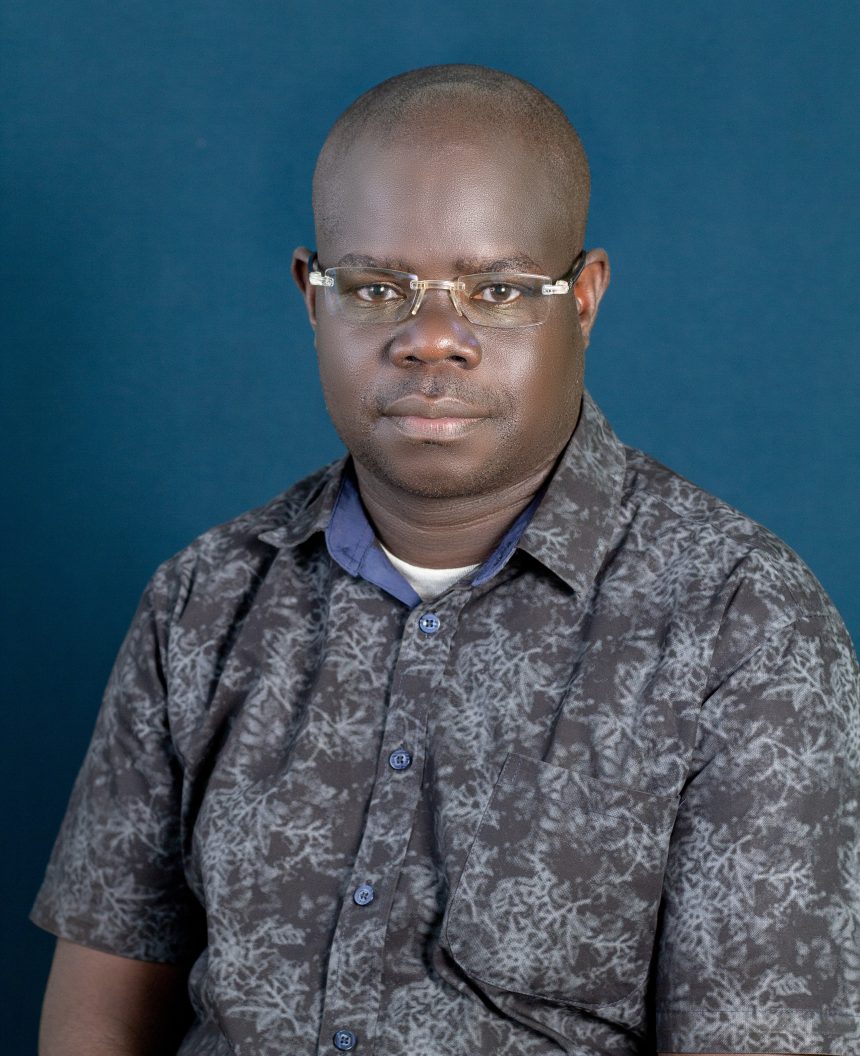
The writer is a senior veteran journalist.