Moroto, Uganda — When President Museveni selected “Protecting the Gains” as his slogan during the just concluded elections, many Ugandans kept asking which gains his government was protecting.
Ugandans may forget quickly, but the people of Karamoja were among the first to believe that indeed the gains needed to be protected.
If President Museveni had used this slogan when Karamoja was still insecure, it would have been meaningless.
If there is any part of Uganda that should truly appreciate the “Protecting the Gains” slogan, it is Karamoja.
Ladies and gentlemen, this is where UPDF achievements should be applauded.

When the Karamoja region was a no-go zone due to cattle conflicts, hundreds of people died, including non-Karimojong. Tired of seeing people killed in road ambushes and homes burned, and with insecurity spreading to neighbouring regions such as Teso, Lango, Acholi, Sebei, and Bugisu, the government swung into action.
The government launched its first disarmament exercise. During this exercise, lives were lost from both the UPDF and armed Karimojong.

The first disarmament was launched in 2001 by President Museveni. At that time, the exercise took the form of sensitisation spearheaded by the President himself at Morulinga Presidential State Lodge in Kangole Town Council, Napak District.
The exercise involved local officials and leaders from Karamoja, who traversed the entire region from county to county sensitising the Karimojong about the importance of the exercise and persuading them to hand over their guns. However, not all leaders supported the removal of guns in the region, as some benefited from the insecurity. The actions of these few leaders delayed the exercise during its initial phase.
The exercise was initially voluntary disarmament, but it did not yield good results. Armed Karimojong refused to hand over their guns and became more aggressive toward the army, reportedly supported by some leaders in the region.
After noticing resistance among the Karimojong, President Museveni issued a circular addressed to political and military leaders in the region outlining guidelines for phase two of the disarmament exercise.
The circular clearly outlined the government’s commitment to increasing the quantity and quality of police, intelligence, and Local Defence Units (LDUs) to guarantee better protection; establishing permanent barracks along the Kenya and South Sudan borders; constructing a security road from Namalu in Nakapiripirit District northwards along the Kenya and Sudan borders; and recruiting and training 146 vigilantes per sub-county within Karamoja and 292 per sub-county bordering Kenya and Sudan. These vigilantes were to be armed, paid by government, and placed under army command to guard against inter-clan raids.
When the circular was received, government officials engaged kraal leaders, and radio programmes were rolled out to educate the public about the dangers of illegal weapons. Still, some leaders opposed the exercise.
On 15 February 2002, the second phase of disarmament was launched. It was largely a military-led exercise with the following components:
Shooting on sight any person found with a gun along the roads
Cordoning and searching suspected villages and kraals
Arresting and prosecuting suspected criminals
Curbing cattle raids and strengthening livestock recovery
Patrolling the international borders with Sudan and Kenya
Recruiting the remaining quota of vigilantes per sub-county
During the second phase, military intelligence realised that some leaders were discouraging the Karimojong from surrendering their guns. Those leaders were arrested, and thereafter compliance improved.
By the end of 2003, a total of 10,000 guns had been recovered.
The recovery of these guns improved security in the region. The army continued intelligence-led operations, and by 2008, up to 40,000 guns had been collected, which significantly restored peace in Karamoja.
After peace was achieved, roads became accessible day and night without ambushes. However, the government later reduced troop deployment, leaving gaps that allowed insecurity to resurface.
One major mistake was failing to sustain sufficient troop presence and adequately monitor international borders, especially given that Turkana, about 30 kilometres away in Kenya, remained armed.
This created opportunities for armed groups to cross into Karamoja with large herds of livestock for grazing, taking advantage of limited security presence.
Another shortcoming was focusing mainly on removing guns without fully transforming mindsets. Some reformed warriors were recruited into Local Defence Units, but weaknesses in supervision created fresh challenges, eventually leading to a third phase of disarmament.
After addressing these gaps, Karamoja is now one of the most peaceful regions in Uganda, in some respects even calmer than Kampala.
The region is rapidly catching up with development. Road infrastructure has improved, electricity has expanded, and industries are steadily emerging.
This transformation is largely attributed to the efforts of the UPDF, now reinforced by the Police.
Trade in the region is booming, and motorists travel throughout the night conducting business without fear.
A plot of land that was once inexpensive in Moroto has now skyrocketed in value due to growing demand, as investors increasingly turn their attention to Karamoja.
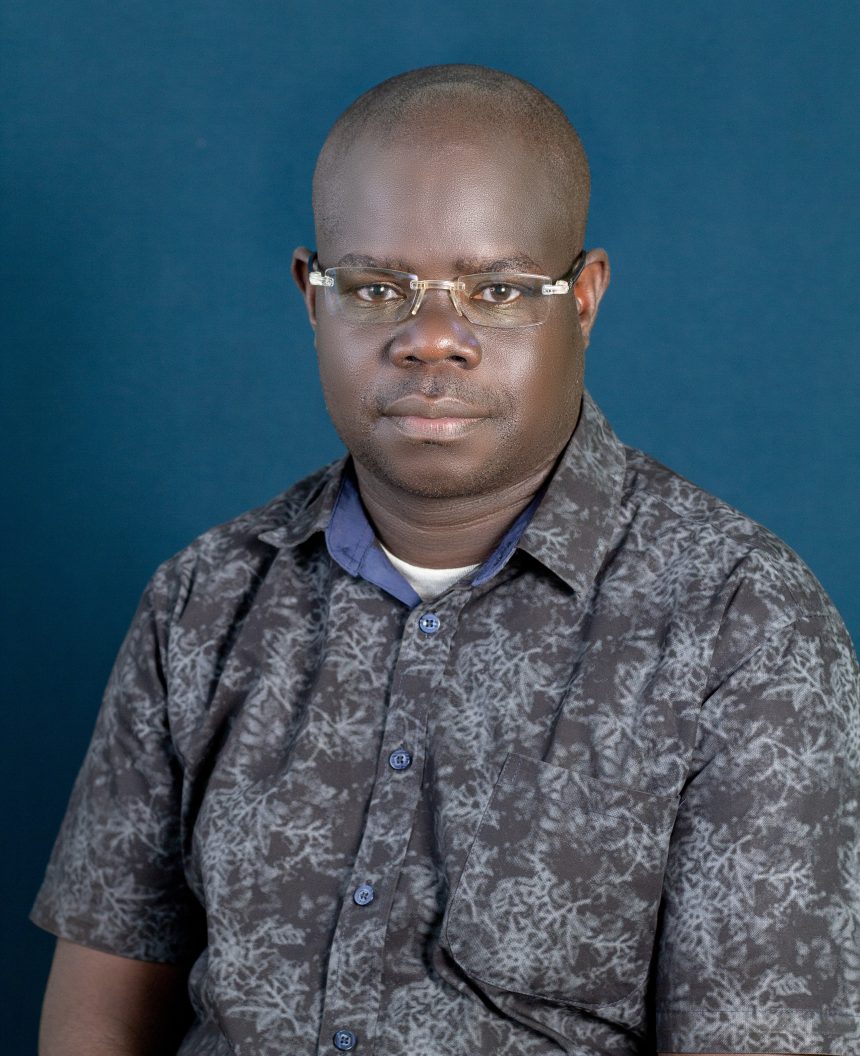
The writer is a senior veteran journalist. (0751969728)