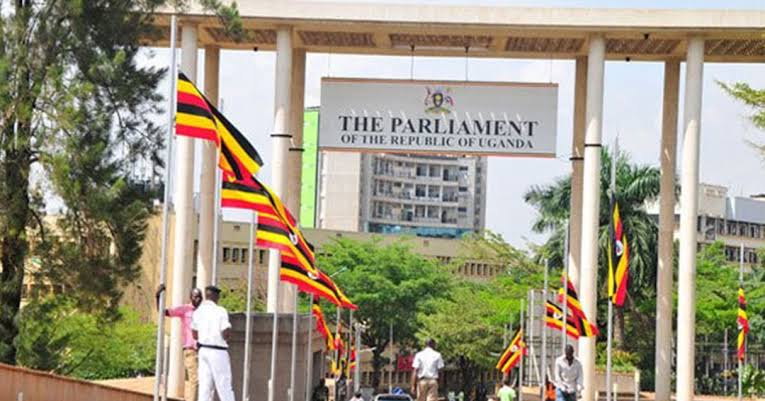
Parliament’s budget is projected to rise sharply to UGX 1.527 trillion in the Financial Year 2029/30, up from UGX 917.642 billion in 2025/26, according to the Parliamentary Commission’s Medium-Term Expenditure Framework (MTEF) projections released by the Ministry of Finance, Planning and Economic Development (MFPED).
The figures are part of the Parliament’s Strategic Plan for FY2025/26–FY2029/30, which outlines expenditure priorities for the next five years.
According to the plan, the increase will cater for MPs’ emoluments and associated benefits such as medical insurance, committee oversight activities, public outreach programmes, and participation in the annual East African Community Inter-Parliamentary Sports Tournament.

A senior official from Parliament who preferred anonymity said, “The increment is meant to strengthen Parliament’s capacity to deliver on its constitutional mandate, including legislation, oversight, and representation.”

However, the announcement has sparked outrage among Ugandans, many of whom view the increase as excessive and insensitive given the country’s economic struggles.
One angry citizen wrote on X (formerly Twitter), “You fools are actually disgusting. You can’t even pay teachers well and this is the nonsense you parade.”
Another user added, “Free cars, free medical care, useless allowances — aren’t they paid already? Where do they put their huge salaries?”
A third critic vented frustration over persistent inequality, saying, “Are we working to pay MPs? I’ve paid PAYE for 10 years but can’t even get Panadol in a government facility. Only to hear MPs increasing their salaries and allowances every now and then.”
Others have vowed to demand accountability, warning that leaders will eventually answer for every shilling spent. “Do all the increments you want, but everyone will account for each and every penny when the time is right,” one comment read. “Even if we have to sell one’s graveyard to recover that money, we shall do so.”
Despite the backlash, Parliament insists the allocations are necessary for operational efficiency and effective legislative work. But with Uganda’s growing public debt and struggling service delivery, critics argue that the institution’s priorities are increasingly detached from the realities of ordinary citizens.