By Steven Masiga
In reflecting on recent political developments in Bugisu, I draw philosophical guidance from the Dutch jurist and natural law thinker Hugo Grotius, in his work The Law of War and Peace, where he emphasizes principles such as abstaining from what belongs to others, restoring property to rightful owners, and fulfilling agreements, alongside accountability and justice.
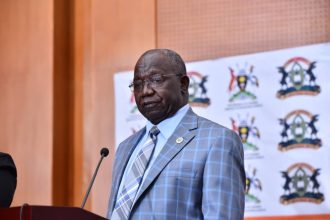
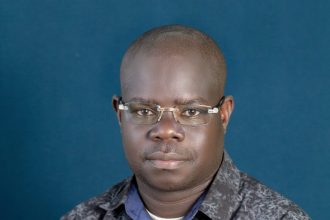
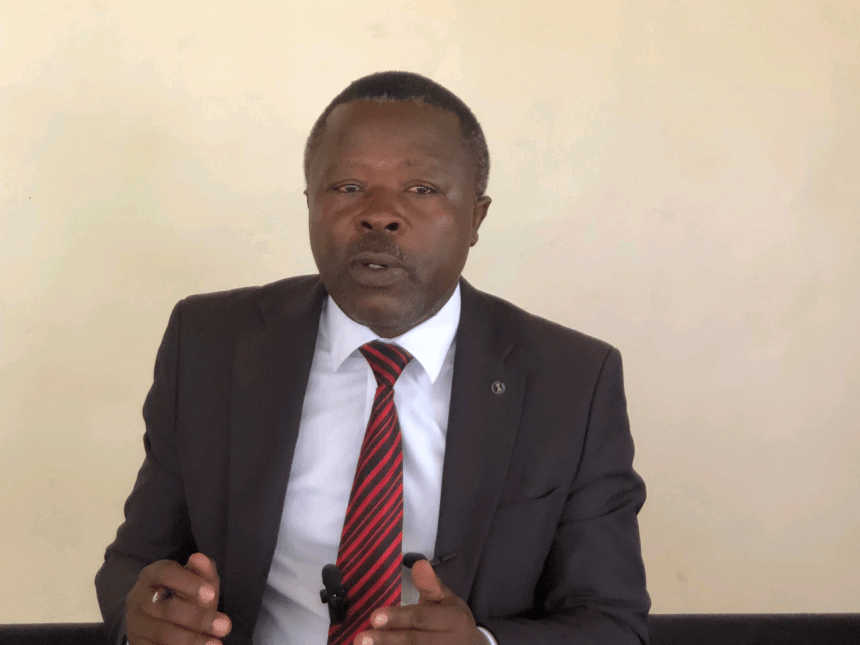
These principles should not be overlooked by the newly appointed Bugisu ministers as they assume office. The region has recently secured two ministerial positions expected to be occupied by Hon. Simon Mulongo and Hon. Wanyoto, and it is important that these leaders internalize the weight of public trust and responsibility.
At the same time, literary wisdom from Charles Dickens’ Oliver Twist, particularly the phrase “Please, sir, I want more” comes to mind. It reflects both human need and the persistent desire for greater opportunity. In this context, Bugisu, having received two ministerial appointments, may still aspire for more representation in future government expansions.
However, it is also important to remember a difficult chapter in Bugisu’s recent political history. In the previous administration cycle, two ministers from the region were removed from government roles over allegations related to corruption. This was widely interpreted as a setback for the region and a reminder that public office must be exercised with integrity.

The new ministers must therefore reflect deeply on these past experiences and avoid repeating mistakes that led to the loss of trust and positions of influence. Such incidents, including the removal of officials by oversight institutions like the Inspector General of Government, should serve as a cautionary lesson on accountability and ethical leadership.
While some voices within the Bugisu community have argued that the newly allocated ministries—State for Gender and State for Public Service—are less significant, I respectfully disagree. Every ministerial position carries responsibility and opportunity to serve both the region and the entire country.

As a cultural institution, we welcome these appointments and recognize them as progress. At the same time, like Oliver Twist, the community may continue to aspire for greater representation in government, especially as the number of cabinet positions is expected to increase.
It is also important to emphasize that ministers serve the entire nation, not only their regions of origin. Nevertheless, we expect our representatives to maintain strong links with the Bugisu cultural institution and support efforts to promote laws and policies that strengthen traditional and cultural leadership in Uganda.
There is also a need to improve awareness within the community regarding cultural leadership structures. Continuous civic education and sensitization should be embraced by all state actors and stakeholders.
We therefore encourage the newly appointed ministers to elevate the image and interests of Bugisu while remaining mindful of past mistakes. The region’s recent history, including the removal of ministers due to alleged misconduct, should serve as a strong reminder of the importance of integrity in public service.
Historically, Bugisu has had limited cabinet representation. Since the 1960s, the region has rarely had more than three ministers at a time. Notable figures include the late Wapakhabulo, who held significant influence, alongside leaders such as Beatrice Wabudeya and Wasiieba. In the early 1980s, figures such as Hon. Kuya and Nangwale served as ministers in rehabilitation and works respectively.
While Bugisu has been recognized alongside other major regions such as Ankole, Buganda, and Acholi, this recognition has not always translated into proportional cabinet representation. Scholars and policymakers are therefore encouraged to examine this imbalance and provide informed recommendations.
In conclusion, the appointment of new Bugisu ministers is both an opportunity and a responsibility. It is a moment for reflection on past lessons and a call for disciplined, ethical, and effective leadership in national service.
The writer is the Spokesperson of the Bugisu Cultural Institution and holder of a Master’s Degree in Law.